Explore the benefits of custom Precision aluminum casting for your next project
Comprehending the Significance of Light Weight Aluminum Casting in Modern Production Processes
Light weight aluminum casting has become a necessary part in modern manufacturing. Its lightweight and resilient nature contributes substantially to various markets, from auto to electronic devices. Furthermore, developments in casting methods improve production effectiveness and high quality. As makers look for cutting-edge remedies, the duty of light weight aluminum spreading in sustainability ends up being progressively significant. This conversation will certainly discover the diverse value of light weight aluminum casting and its implications for the future of manufacturing. What lies in advance in this advancing landscape?
The Benefits of Light Weight Aluminum Spreading in Manufacturing
Aluminum casting offers countless advantages that improve its charm in contemporary manufacturing processes. One significant benefit is its light-weight nature, which causes minimized power intake and boosted fuel efficiency in transportation applications. Furthermore, light weight aluminum's exceptional rust resistance extends the life-span of actors products, making them extra long lasting in different environments. The material additionally promotes intricate geometries and elaborate designs, enabling producers to develop elements that meet precise requirements.
Additionally, aluminum spreading boasts a reasonably reduced melting factor, which saves power during the manufacturing process. This feature also makes it possible for fast cycle times, increasing total productivity. In addition, the recyclability of aluminum adds to sustainability efforts, as recycled light weight aluminum requires significantly less power to procedure compared to key aluminum. Jointly, these advantages position light weight aluminum casting as a vital technique in modern manufacturing, satisfying the needs for performance, efficiency, and ecological duty.
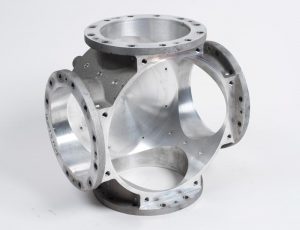
Applications of Light Weight Aluminum Spreading Throughout Industries
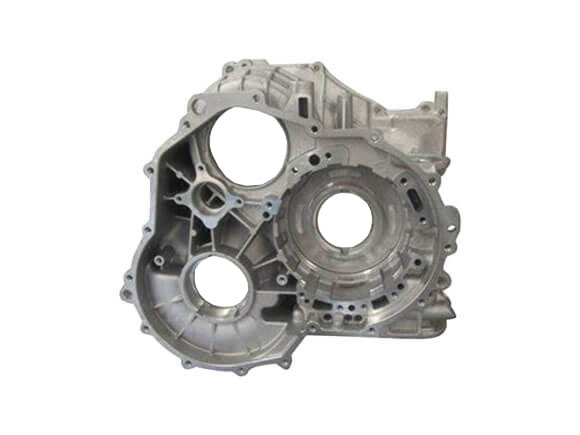
While various materials are used in manufacturing, aluminum spreading has actually ended up being a crucial method throughout numerous industries because of its versatility and performance. This procedure is widely used in the auto industry for creating light-weight engine blocks, transmission instances, and various elements that boost gas efficiency. In the aerospace market, light weight aluminum casting is crucial for creating elaborate components that call for high strength-to-weight ratios, contributing to enhanced airplane efficiency.
The electronic devices sector depends on light weight aluminum castings for warm sinks and housings, where thermal management is important for device longevity. The construction market likewise gains from light weight aluminum casting in the form of architectural components and structural components that incorporate aesthetic appeal with sturdiness. Furthermore, the durable goods market uses aluminum spreadings for cookware and sporting tools, leveraging the product's outstanding corrosion resistance and aesthetic coating. Overall, light weight aluminum casting acts as a foundation in contemporary production, sustaining diverse applications throughout various areas.
The Function of Aluminum Spreading in Sustainability
Sustainability has come to be a prime focus in manufacturing techniques, and aluminum spreading plays a critical function in advertising ecologically friendly options. The process of light weight aluminum casting is naturally sustainable as a result of the material's recyclability. Light weight aluminum can be recycled several times without losing its residential or commercial properties, greatly lowering energy intake and resources demands. This reusing process eats only around 5% of the energy required for primary light weight aluminum manufacturing, leading to a notable decline in carbon emissions.
In addition, aluminum spreading facilitates the manufacturing of lightweight elements, which add to energy efficiency in different applications, particularly in the vehicle and aerospace fields. Lighter vehicles consume less fuel, additional minimizing environmental impact. Furthermore, innovations in casting strategies are optimizing product application, reducing waste in manufacturing processes. As industries seek to line up with sustainability objectives, light weight aluminum spreading arises as a viable solution, supporting a circular economic situation and fostering responsible production practices
Technological Developments in Light Weight Aluminum Casting Techniques
As sectors evolve, the fostering of innovative innovations in check my blog light weight aluminum casting methods has actually changed producing procedures. The integration of computer-aided style (CAD) and computer-aided manufacturing (WEBCAM) systems improves precision and effectiveness, permitting for complex geometries that were previously challenging to produce. Advanced melting and spreading methods, such as die casting and investment casting, have enhanced the high quality of light weight aluminum components, lessening problems and reducing waste. The intro of automated systems and robotics in casting procedures has streamlined operations and boosted productivity. These innovations likewise enable real-time monitoring and data analytics, facilitating better decision-making and top quality control. Furthermore, the growth of new alloys and heat therapy processes has increased the performance capacities of cast light weight aluminum products. Jointly, these technical innovations not only maximize production effectiveness but likewise add to the sustainability of aluminum spreading in modern manufacturing.
Future Fads in Aluminum Casting and Its Influence On Development
Arising trends in aluminum casting are poised to reshape the production landscape, driving technology throughout numerous fields. One substantial fad is the assimilation of innovative automation and robotics, which boosts precision and effectiveness in manufacturing processes. Furthermore, the surge of additive manufacturing strategies is allowing for a lot more intricate designs, lowering material waste and production time. As sustainability ends up being a top priority, the market's concentrate on reusing light weight aluminum and utilizing green methods is anticipated to grow, aligning with international ecological objectives.
The growth of wise casting innovations, consisting of real-time tracking and information analytics, is set to improve high quality control and operational effectiveness. These improvements will promote the manufacturing of lighter, more powerful, and a lot more long lasting light weight aluminum elements, catering to industries such as go to my blog auto and aerospace. Eventually, these patterns will not just maximize producing processes but additionally influence new applications of aluminum spreading, promoting a culture of innovation and flexibility in the marketplace.
Regularly Asked Concerns
What Is the History of Light Weight Aluminum Casting in Manufacturing?
Exactly How Does Aluminum Spreading Contrast to Other Steels?
Light weight aluminum casting deals advantages such as lightweight homes and corrosion resistance contrasted to other metals. Aluminum Foundry. It facilitates complicated shapes and boosts power efficiency, making it a recommended option in various production applications over heavier choices like steel or iron
What Are the Common Issues in Light Weight Aluminum Casting?
Usual flaws in aluminum spreading include porosity, contraction, misruns, and additions. These issues can emerge from incorrect putting methods, insufficient mold and mildew style, or infected materials, bring about decreased architectural integrity and performance of the end product.
How Is the High Quality of Light Weight Aluminum Castings Tested?
The high quality of light weight aluminum spreadings is evaluated with approaches such as visual assessments, dimensional dimensions, non-destructive testing methods, and mechanical residential property analyses, guaranteeing that they fulfill specified standards for efficiency and architectural stability.
What Are the Precaution in Light Weight Aluminum Spreading Processes?
Security steps in aluminum casting processes consist of using personal protective tools, proper ventilation systems, normal my response tools maintenance, training workers on dangers, and implementing stringent emergency situation methods to minimize dangers connected with heats and molten steel.
The recyclability of light weight aluminum adds to sustainability initiatives, as recycled light weight aluminum requires significantly much less energy to process compared to main light weight aluminum. While numerous products are used in manufacturing, aluminum casting has actually come to be a critical technique throughout multiple markets due to its convenience and performance. Advanced melting and casting approaches, such as die casting and investment casting, have enhanced the high quality of light weight aluminum parts, reducing and minimizing defects waste. Emerging trends in aluminum spreading are positioned to reshape the production landscape, driving technology throughout numerous markets. Light weight aluminum casting has evolved since the late 19th century, initially developing with the intro of light weight aluminum as a lightweight metal.